How to Create a Cozy and Elegant Home Decor Style on Any Budget
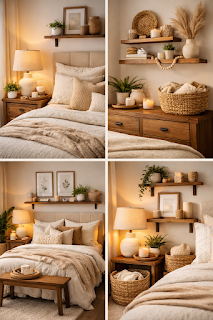
Creating a beautiful home does not always require expensive furniture or a complete renovation. Many people believe that achieving a stylish and luxurious interior means spending thousands of dollars, but the truth is that thoughtful decorating choices can transform any space into a warm, inviting, and elegant environment.
Whether you live in a small apartment, a family home, or a studio, understanding the basics of home decor can help you create a space that reflects your personality while remaining functional and comfortable. The key is to focus on balance, color coordination, organization, lighting, and carefully selected decorative elements.
In this guide, you will learn practical home decorating tips that can help you design a cozy and sophisticated living space without exceeding your budget.
1. Start with a Clear Decorating Style
Before purchasing decor items, determine the style you want to achieve.
Popular home decor styles include:
Modern Minimalist
- Clean lines
- Neutral colors
- Functional furniture
- Clutter-free spaces
Cozy Contemporary
- Soft textures
- Warm lighting
- Comfortable furniture
- Simple decorative accents
Farmhouse Style
- Natural wood elements
- Rustic textures
- Neutral color palettes
- Vintage-inspired accessories
Bohemian Decor
- Layered textures
- Plants and natural materials
- Artistic decorations
- Warm and earthy tones
Choosing a consistent style helps prevent unnecessary purchases and creates a more cohesive appearance throughout the home.
2. Choose the Right Color Palette
Color plays one of the most important roles in interior design.
For a calm and elegant atmosphere, consider:
- White
- Cream
- Beige
- Light gray
- Soft taupe
These colors create a timeless foundation and make rooms appear larger and brighter.
To add personality, introduce accent colors through:
- Throw pillows
- Wall art
- Decorative vases
- Blankets
- Curtains
Limiting your palette to three or four coordinating colors creates visual harmony and prevents a cluttered appearance.
3. Invest in Good Lighting
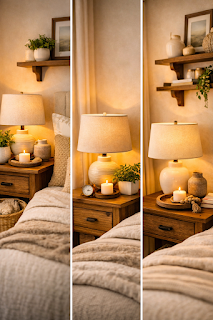
Lighting can completely transform the mood of a room.
A well-designed room should include multiple light sources.
Ambient Lighting
Provides overall illumination for the room.
Task Lighting
Used for reading, working, or specific activities.
Accent Lighting
Highlights decorative features and creates atmosphere.
Warm white bulbs often create a more comfortable and inviting environment than harsh cool lighting.
Table lamps, floor lamps, and decorative wall sconces can instantly make a room feel more luxurious.
4. Add Texture for a Luxury Feel
Many professionally designed interiors rely on texture rather than excessive decoration.
Layer different materials such as:
- Knit blankets
- Faux fur pillows
- Linen curtains
- Woven baskets
- Ceramic vases
- Wooden furniture
Combining different textures creates depth and visual interest while maintaining a sophisticated appearance.
5. Declutter and Organize Your Space
No amount of decorating can compensate for clutter.
A clean and organized home automatically feels more attractive.
Simple organization tips include:
- Use storage baskets
- Organize shelves regularly
- Donate unused items
- Keep surfaces clear
- Store seasonal items separately
An organized room appears larger, calmer, and more welcoming.
6. Decorate with Natural Elements
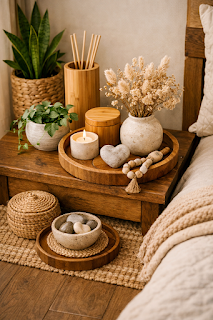
Nature-inspired decor never goes out of style.
Adding natural elements helps create a relaxing environment.
Examples include:
- Indoor plants
- Wooden trays
- Bamboo accessories
- Stone decor pieces
- Dried flowers
- Natural fiber rugs
Even a few carefully placed plants can significantly improve the appearance of a room.
7. Create a Cozy Bedroom Retreat
Your bedroom should feel like a peaceful sanctuary.
To improve bedroom decor:
Upgrade Bedding
High-quality bedding instantly elevates the room.
Consider:
- Soft comforters
- Decorative pillows
- Neutral bedding colors
- Layered blankets
Add Bedside Lighting
A stylish bedside lamp creates warmth and functionality.
Incorporate Personal Touches
Display meaningful photographs, books, or artwork that reflect your personality.
Use Soft Textures
Soft rugs, curtains, and cushions make bedrooms feel more comfortable and luxurious.
8. Style Shelves Like a Designer
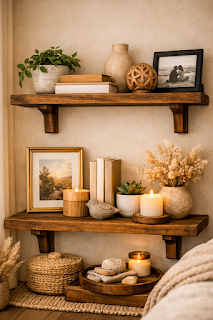
Well-decorated shelves can become a focal point in any room.
A simple formula includes:
- Books
- Decorative objects
- Small plants
- Candles
- Framed photos
Avoid overcrowding shelves.
Leaving empty space helps decorative items stand out and creates a cleaner look.
9. Use Mirrors to Make Rooms Look Larger
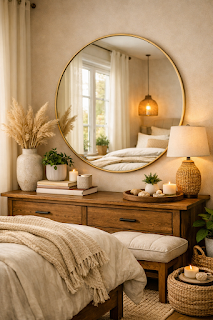
Mirrors are one of the easiest ways to improve a space.
Benefits include:
- Reflecting natural light
- Making rooms appear larger
- Creating visual depth
- Adding elegance
Position mirrors opposite windows whenever possible to maximize brightness.
10. Decorate with Purpose
Every decorative item should contribute to the room’s overall design.
Before purchasing decor, ask:
- Does it fit my color palette?
- Does it serve a purpose?
- Does it complement existing decor?
- Will I still like it next year?
Thoughtful decorating often produces better results than simply buying more items.
Common Home Decorating Mistakes to Avoid
Buying Too Much at Once
Decorating gradually often leads to better decisions.
Ignoring Scale
Large furniture may overwhelm small spaces, while tiny accessories can disappear in larger rooms.
Following Every Trend
Choose timeless pieces and add trends through smaller accessories.
Poor Lighting Choices
Even beautiful decor can look unattractive under harsh lighting.
Lack of Storage
Stylish storage solutions help maintain a clean and organized home.
Budget-Friendly Home Decor Ideas
Improving your home does not have to be expensive.
Affordable ideas include:
- Rearranging furniture
- Updating throw pillows
- Adding plants
- Repainting walls
- Replacing old lampshades
- Using decorative baskets
- Hanging artwork
- Adding mirrors
Small changes can often have a surprisingly large impact.
Final Thoughts
Beautiful home decor is not about filling every corner with expensive accessories. Instead, it is about creating a comfortable, functional, and visually balanced environment that supports your lifestyle.
By focusing on color coordination, proper lighting, organization, texture, and thoughtful decorating choices, you can transform any room into a cozy and elegant space. Start with small improvements, stay consistent with your chosen style, and remember that a well-designed home develops gradually over time.
The most beautiful homes are not necessarily the most expensive ones—they are the spaces that feel welcoming, organized, and uniquely personal.